
Psychology Tuition (Class 11 & 12 Humanities & Science)
Psychology is one of the most intellectually rewarding senior secondary subjects, blending behavioral science, neurobiology, and clinical concepts. Students often encounter challenges remembering distinct psychological models (Sternberg, Gardner, Freud, Carl Rogers), categorizing DSM-5 psychological disorders, or explaining therapeutic techniques. Our verified Psychology tutors demystify complex theoretical frameworks through real-world case examples, helping students write insightful, terminology-rich board answers.
Topics Covered
- Class 11: What is Psychology?, Methods of Psychological Enquiry, Human Development, Sensory, Attentional & Perceptual Processes, Learning Principles (Conditioning), Human Memory (Atkinson-Shiffrin Model), Thinking & Problem Solving, Motivation & Emotion
- Class 12 Variations in Psychological Attributes: Intelligence Theories, Assessment of Psychological Attributes, Culture & Intelligence, Emotional Intelligence, Special Abilities (Creativity)
- Class 12 Self and Personality: Concept of Self, Cognitive and Behavioral Aspects, Trait and Type Approaches, Psychodynamic (Freud), Post-Freudian, Humanistic (Rogers, Maslow), Personality Assessment
- Class 12 Meeting Life Challenges: Stress Concept, Stress Coping Strategies, Stress & Health, Positive Health & Well-being
- Class 12 Psychological Disorders: Concepts of Abnormality (4Ds), DSM-5 Classification, Anxiety Disorders, OCD, Mood Disorders, Schizophrenia, Neurodevelopmental & Substance-Related Disorders
- Class 12 Therapeutic Approaches: Nature and Process of Psychotherapy, Psychodynamic Therapy, Behavior Therapy, Cognitive Therapies (RET, Beck), Humanistic-Existential Therapy, Alternative Therapies
- Class 12 Attitude and Social Cognition & Social Influence and Group Processes
What Your Child Will Learn
- Precise usage of clinical and theoretical psychological vocabulary in board answers
- Clear differentiation between personality assessment tools (Self-report vs Projective techniques)
- Structured explanations of psychotherapies and ethical standards in psychological counseling
- Practical test conduction, scoring, and psychological case report file documentation
Month-by-Month Study Plan
How our teachers pace chapters, revision, and test papers through the year.
Intelligence Theories & Self/Personality Frameworks
Intelligence models matrix, Freudian stages mind maps, personality test summaries
Stress & Health Management / Psychological Disorders
DSM-5 disorder classification flashcards, case scenario diagnostic drills
Therapeutic Approaches & Psychotherapies
Behavioral vs Cognitive therapy comparison tables, case management write-ups
Attitude, Social Cognition & Group Processes
Attitude change models, group polarization notes, practical test file guidance
Case-Scenario Questions & Pre-Board Mock Exams
5 full-length mock examinations with line-by-line psychological term review
Common Mistakes in Exams & How Tutors Help
How 1-on-1 teaching helps students avoid common mistakes and save step marks.
Board & Exam Notes
- CBSE: Theory paper is 70 marks, with 30 marks dedicated to practical testing (administering standardized tests like SPM or SCAT, file preparation, and viva).
- Questions increasingly feature case scenarios describing a person’s symptoms and asking students to identify the disorder and recommended therapy.
What Happens in the Free Demo Class
- 45-minute lesson exploring psychological theories of intelligence or personality assessment
- Evaluation of student conceptual grasp and psychological terminology retention
- Personalized schedule for theory completion and practical file guidance
How Home Tuition Helps Your Child
Our teachers come to your home and teach at your child’s pace.

Trial Class Before You Decide
Meet the tutor at home and see how they teach your child before starting regular classes.
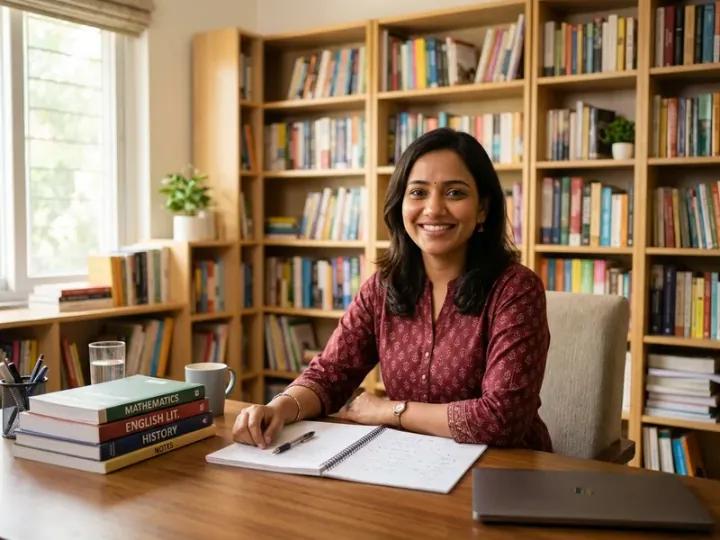
Background-Checked Tutors
We check every teacher’s government ID and university degree before sending them to your home.
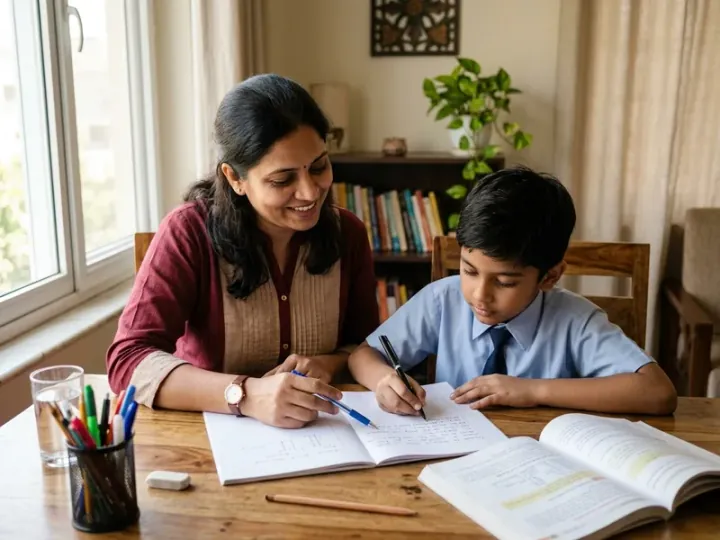
One-to-One Home Guidance
A patient teacher visits your home and focuses on your child’s questions and learning speed.
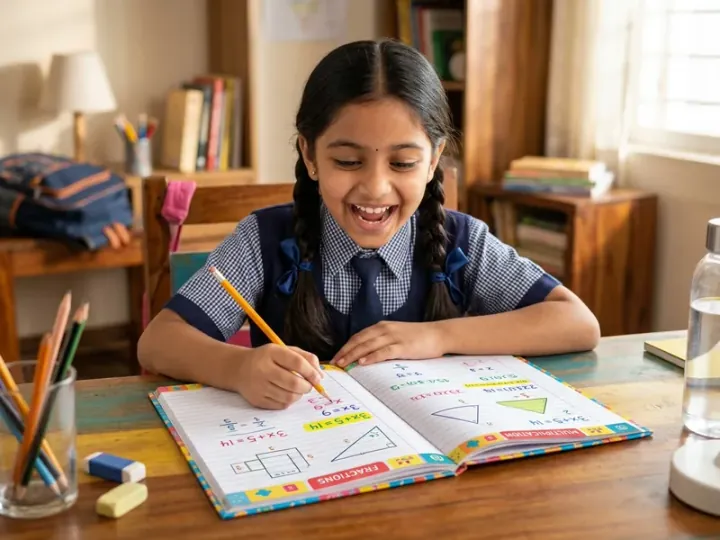
Clear Concepts & Doubt Solving
Teachers explain basics step by step so students can solve tough questions on their own.

Board & Entrance Exam Prep
Study plans, past 10-year papers, and regular tests to help students score well in exams.
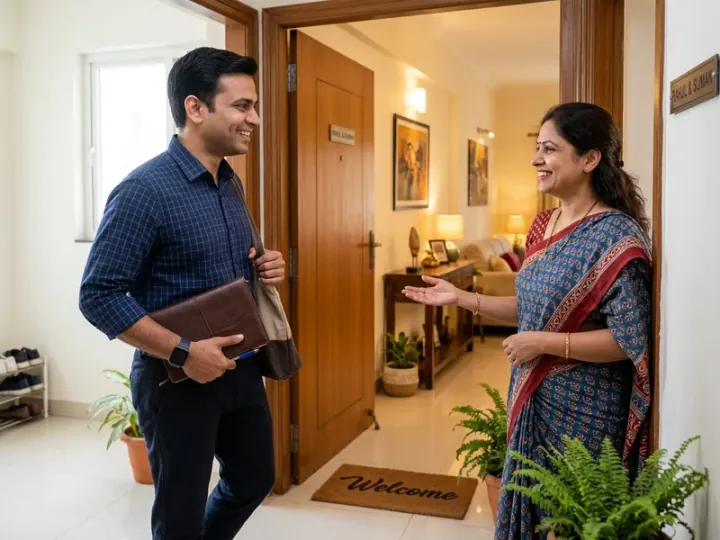
Tutor Matched in 24–48 Hours
Our coordinator connects you quickly with a suitable teacher near your neighborhood.
Questions on Psychology Tuition Tuition
Answers about teacher matching, syllabus coverage, and demo classes.
Explore Other Specialized Tuition Programs:
All SubjectsMathematics Tuition
Step-by-step concept clarity in Arithmetic, Algebra, Geometry, Trigonometry, and Calculus with daily numerical practice.
Science Tuition – Physics, Chemistry & Biology
Deep conceptual mastery in Physics numericals, Chemistry equations, and Biology diagrams for Classes 6 to 12.
English Language, Grammar & Literature Tuition
Build fluent reading comprehension, error-free grammar, formal writing skills, and high-scoring literature answers.
IIT-JEE
Focused 1-on-1 home and online tutoring in JEE Physics, Chemistry, and Mathematics with intensive problem-solving.